Why do some democratic regimes manage to withstand authoritarian pressures while others succumb to them? How do authoritarian regimes adapt to changing global norms, and what implications does this have for the prospects of political liberalization and democratic transition?
The Comparative Political Regimes (CPR) Lab brings together faculty and graduate students at the University of Alabama and the University of South Carolina.
We focus on investigating regimes and regime transformation from a comparative perspective, combining large-N analysis with in-depth case knowledge. By examining a wide array of countries and time periods, we aim to gain a deeper understanding of the factors that contribute to regime stability and breakdown. The lab provides guidance and support to graduate students through a mentorship model that emphasizes collaboration and professional development.
If you are interested in learning more about our research, please feel free to reach out to us. We are always eager to collaborate with scholars who share our passion for understanding the dynamics of political regimes and contributing to the advancement of political science knowledge.

Current Members
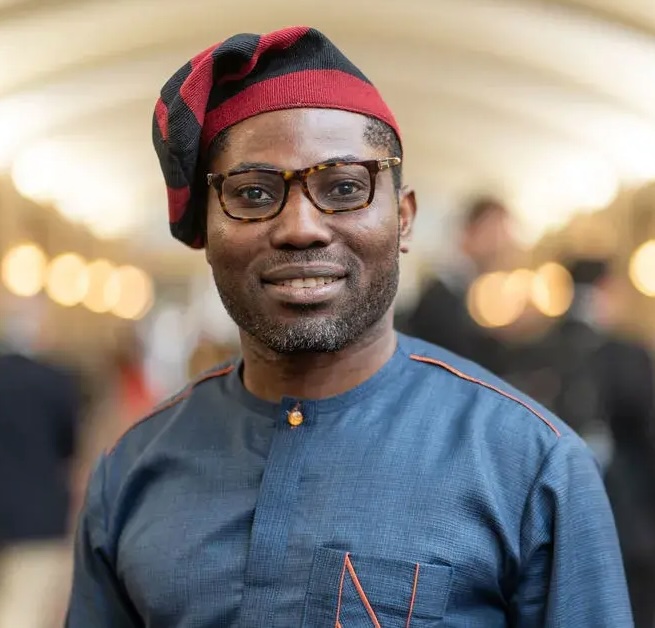
Chris Akor is a PhD candidate in political science at the University of Alabama. He holds a Masters in African Studies from the University of Oxford. He has worked in various research, knowledge, and media roles in the past 10 years as a political analyst and columnist discussing Nigerian and African political, social, and economic situations. His current academic research focuses on the effects of regime personalization.
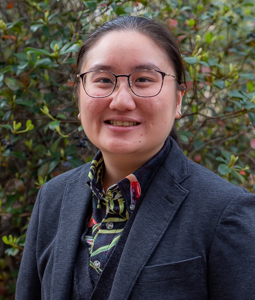
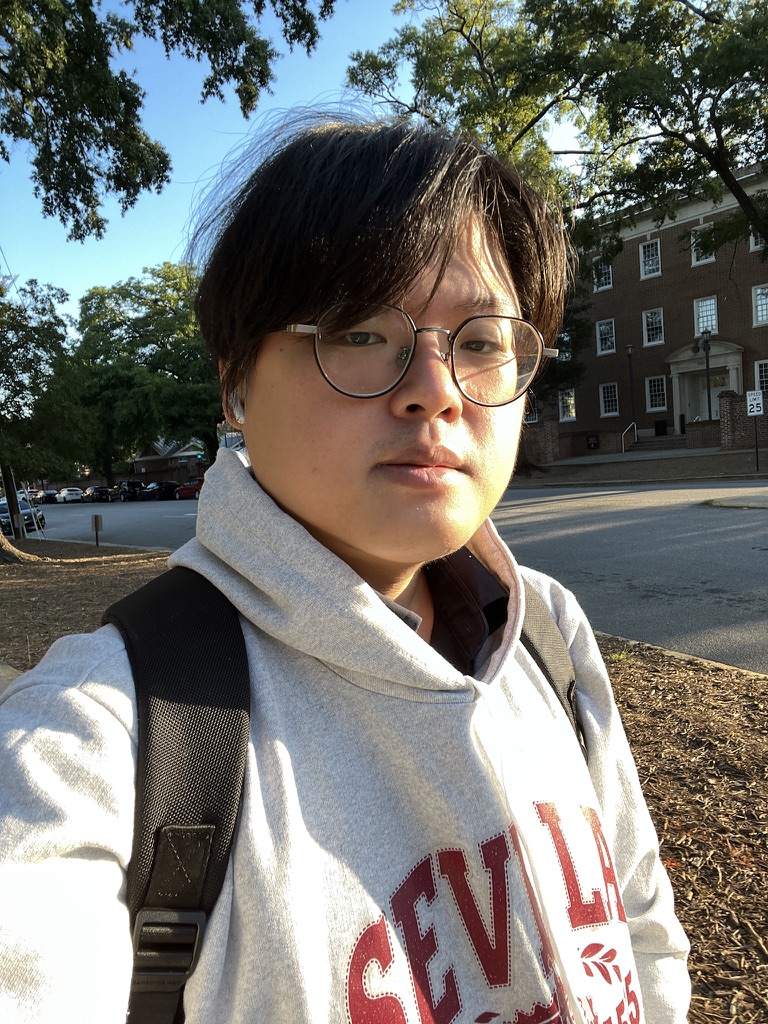
Edwina Chih-Yu Chen is a Ph.D. candidate in political science at the University of South Carolina. She holds a B.A. in Political Science from National Cheng Kung University (Taiwan) and an M.A. in Politics from the University of Essex (U.K.). She is interested in LGBTQ+ politics, authoritarian politics, and East Asian politics. Her dissertation explores the global dynamics of same-sex marriage (SSM) legalization and the political representation of sexual minorities.
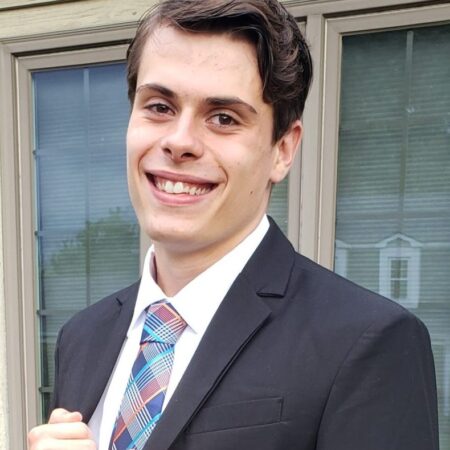
Matthew Fritz-Kent is a current undergraduate and Accelerated Master’s Program (AMP) student in the Department of Political Science at the University of Alabama. His research interests include the causes and effects of the rise of populist movements across the world, with a focus on right-wing populism. He plans on pursuing seminary (Master’s in Divinity) after graduating, with a potential plan for a PHD in the future.
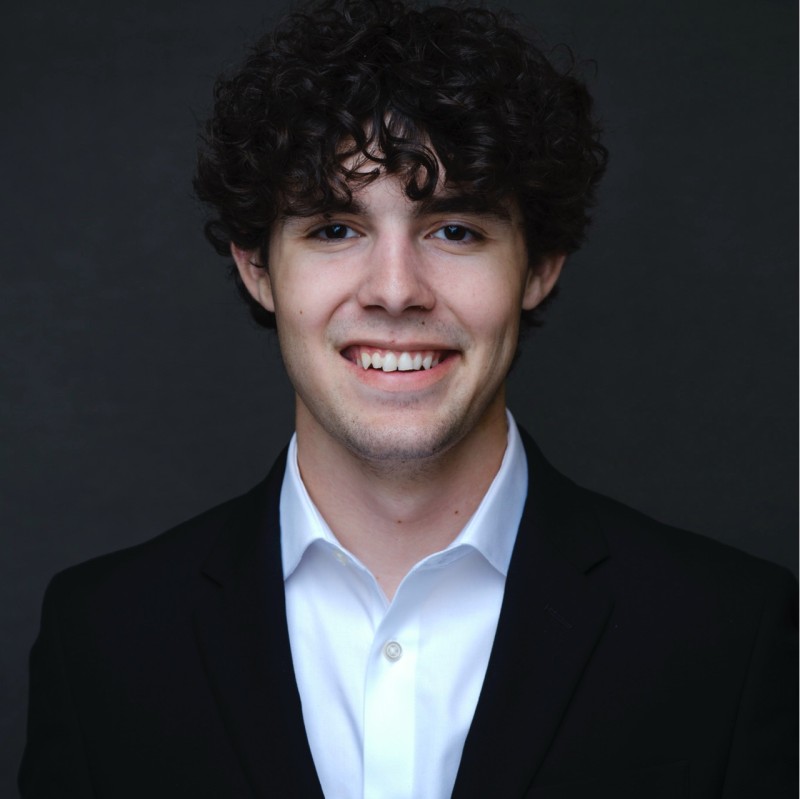
Eli Moore is an undergraduate Political Science and Computational Social Science student at the University of Alabama. He is also in the Masters of Public Administration program. His research interests include the allocation of resources in response to poverty and the influence of demographic characteristics on political interest. He plans to pursue a Ph.D. following graduation.
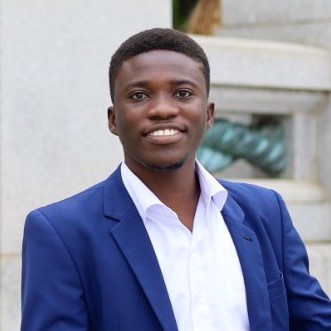
Prince Selorm Tetteh is currently a PhD student at the University of Alabama. He holds a master’s degree in political science from the University of Southern Mississippi and a bachelor’s degree from the University of Ghana. His research interests revolve around social mobilization and resistance strategies. His dissertation focuses on the rationales and effects of counterprotests. His research has appeared in the Journal of Asian and African Studies and the V-Dem Working Papers Series.
Sanghoon Park is a senior researcher at the Kangwon Institute for Unification Studies. He completed his PhD at the University of South Carolina and holds Bachelor’s and Master’s degrees from Hankuk University of Foreign Studies in the Republic of Korea (ROK). His research interests include the global migration crisis and how resource distribution affects autocratic survival. He has recently published co-authored articles in Asian Perspectives, International Interactions, and the Journal of Research Methodology.
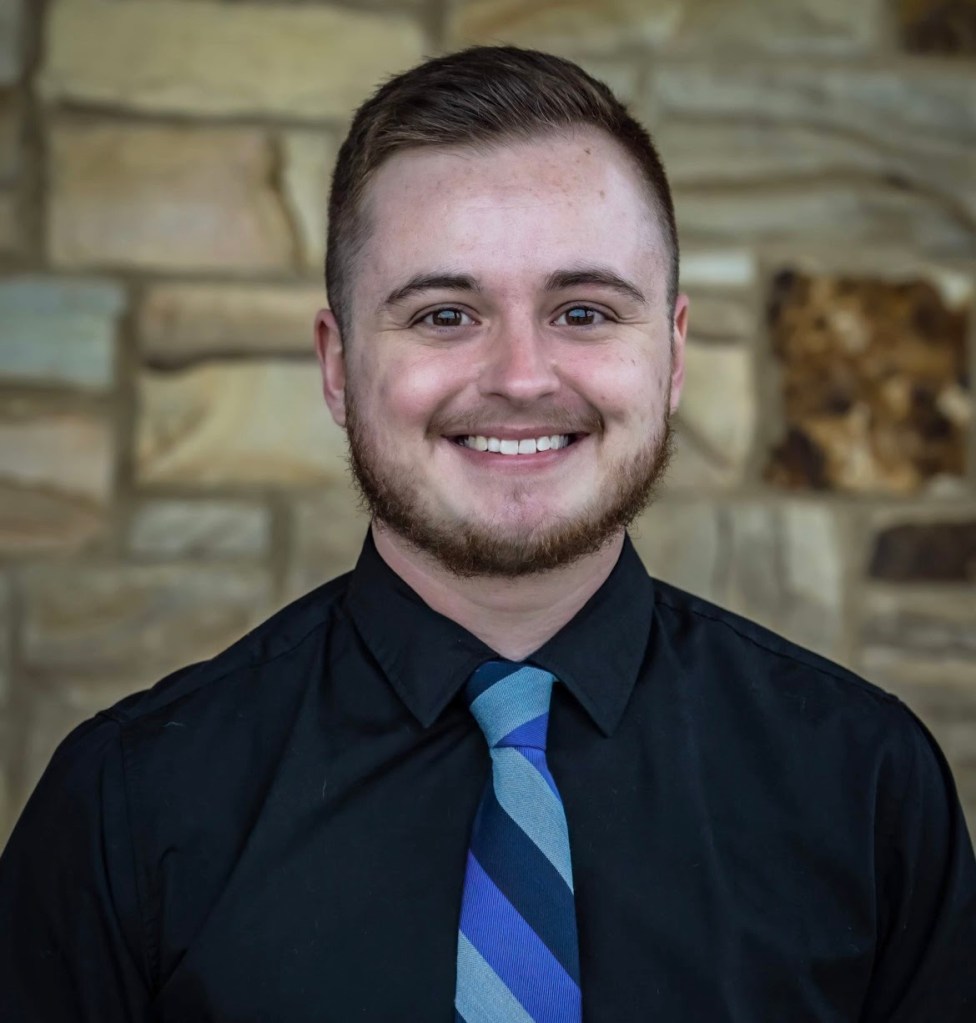
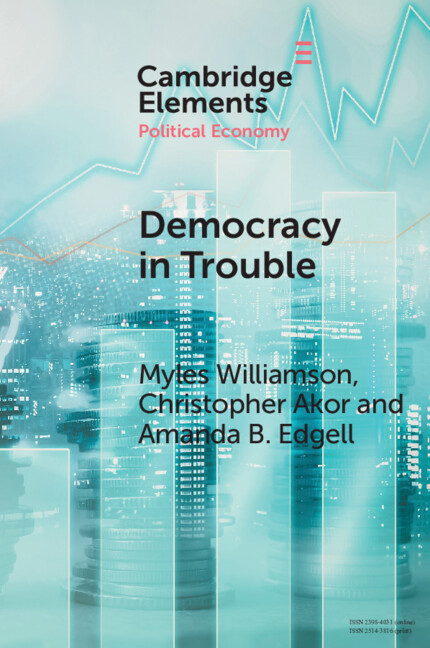
Myles Williamson is a lecturer at the School of Public and International Affairs at the University of Baltimore. He completed his PhD at the University of Alabama and also holds a Masters in Political Science from the University of Alabama and a Bachelor’s in Political Science from Augusta University. His research broadly focuses on human rights, LGBT+ politics, and political regime behavior and transformation. He is the principal investigator for the Transgender Rights Indicator Project (TRIP). His recent publications appear in Perspectives on Politics and Politics & Gender.
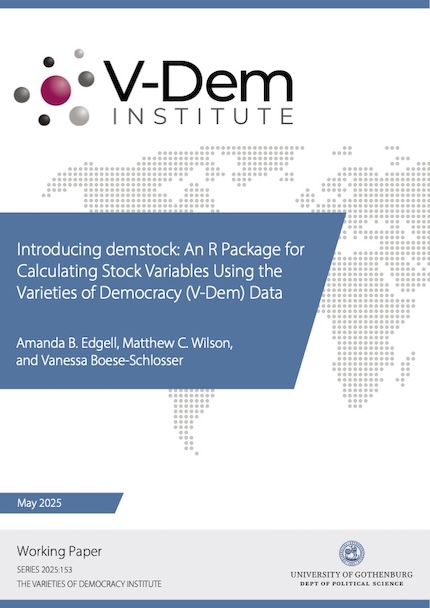
Matthew C. Wilson (P.I.) is an Associate Professor in the Department of Political Science at the University of South Carolina and a Research Associate at the V-Dem Institute. He is interested in the interactions of autocratic leaders and institutions, particularly with regard to regime change and conflict outcomes. As a comparativist scholar, he has a special interest in the politics of Latin America and historical development.

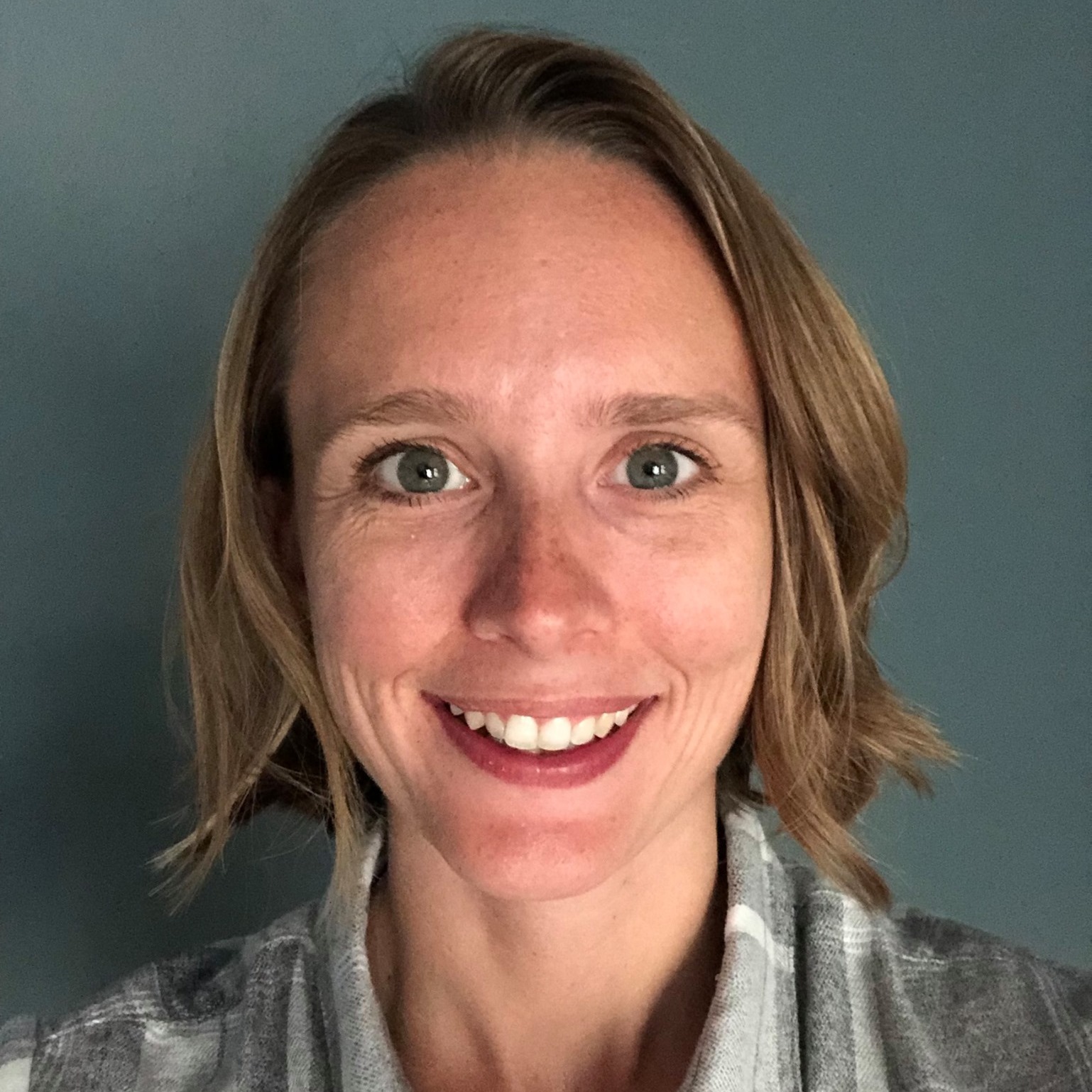
Amanda B. Edgell (P.I.) is an Assistant Professor in the Department of Political Science at the University of Alabama and a Research Associate for the V-Dem Institute. Her research focuses on the politics of authoritarianism and regime transformation. Her work addresses questions about how domestic institutions and actors interact with international concerns to shape the behavior of regimes.
 Amanda B. Edgell